Choosing bathroom tile sets the tone for durability, style, and resale value. As a seasoned design strategist, I’ve learned that the right tile decisions balance function and aesthetics. This guide covers tile options, installation considerations, maintenance, and how to select tiles that stay beautiful for years.
Understanding bathroom tile options
The most common choices are porcelain and ceramic, with natural stone, glass, and cement tiles offering luxury and character. Porcelain is dense and highly water resistant, making it ideal for floors and shower surrounds. Ceramic tile is versatile, lighter, and often more affordable. Natural stone delivers timeless beauty but requires sealing and ongoing care. Glass tiles add sparkle for backsplashes or mosaics but can be slippery in some settings and may cost more. Large-format tiles can reduce grout lines and create a seamless look.
Key comparison criteria
- Water absorption and porosity
- Durability and stain resistance
- Slip resistance (DCOF for floors)
- Maintenance and sealing needs
- Cost and installation complexity
Materials and finishes
Porcelain tile is dense, with low porosity and excellent durability. It works well on floors and in wet zones when properly installed. Ceramic tile offers a wide range of patterns and is typically more affordable and easier to cut. Natural stone (marble, granite, travertine) adds luxury but requires sealing, periodic maintenance, and care to avoid staining. Glass tile catches light and adds depth to backsplashes or shower niches; it can be costly and requires careful cleaning. For both walls and floors, consider large-format options to reduce grout lines and create a modern, tidy look.
Finish and texture notes
Matte finishes hide water spots and scratches better than gloss. Textured surfaces can improve grip but demand regular cleaning. Rectified edges enable tighter grout joints for a sleek, contemporary appearance, while traditional edges emphasize a classic pattern. Color schemes should coordinate with fixtures and cabinetry to unify the space.
Design ideas and trends
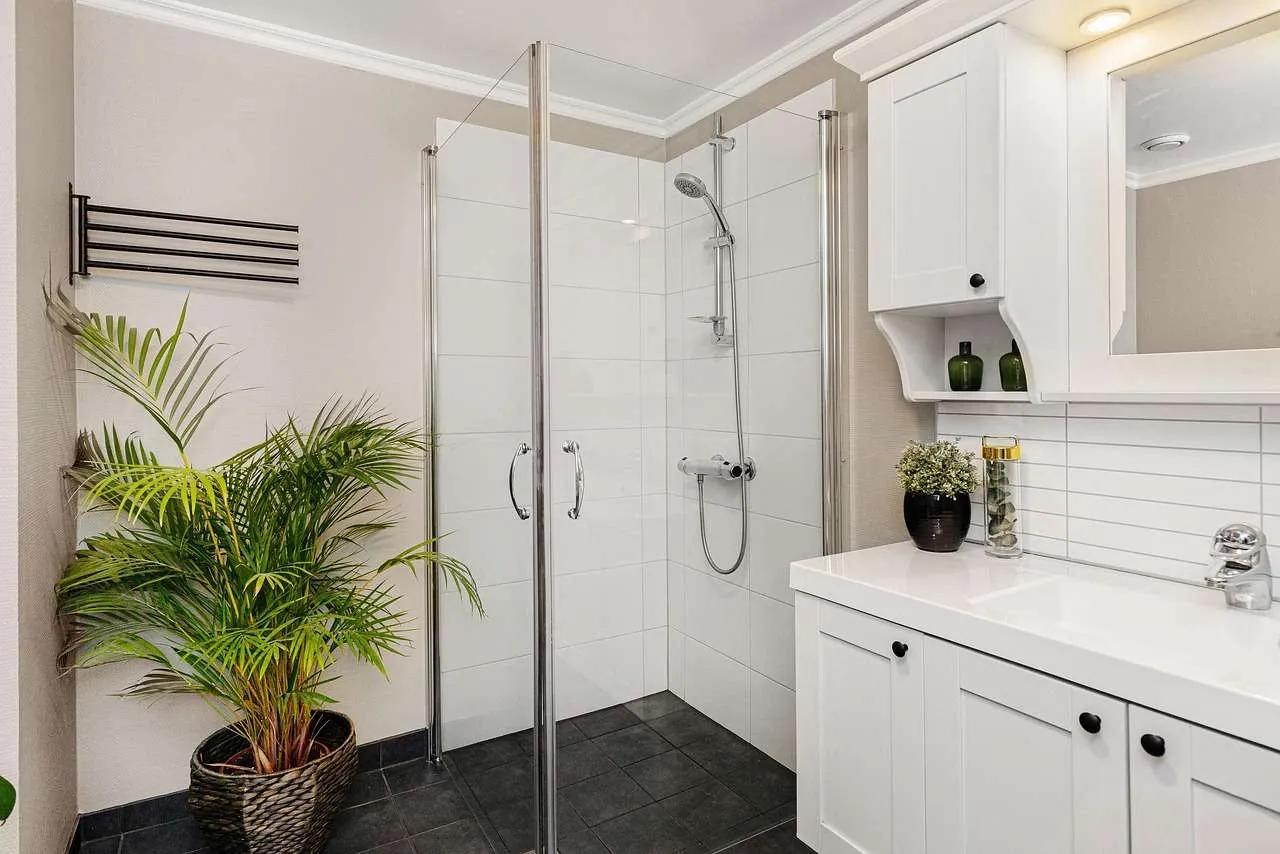
Trendy yet timeless ideas include large-format tiles for a minimal grout line, subway tiles in brick patterns, and herringbone layouts for texture. Neutral palettes with bold accent tiles, such as a patterned mosaic, offer flexibility as seasons or tastes shift. For showers, floor-to-ceiling tiling and cohesive border details simplify maintenance and enhance the perception of height and space.
Installation tips and maintenance
Hiring a skilled installer matters. Prepare a solid substrate with a waterproof membrane in wet zones. Choose tile size in relation to room dimensions and plan layout to minimize awkward cuts. For porcelain and cement-based tiles, use the appropriate thinset; allow proper cure time before grouting. Seal porous surfaces and grout to resist staining; reseal as recommended by product guidelines. Clean with non-acidic cleaners and avoid abrasive scrubbing that can wear grout over time.
Comparison: tile types at a glance
| Type | Pros | Cons | Best For | Price Range |
|---|---|---|---|---|
| Porcelain | Low porosity, durable, versatile | Higher cost, harder to cut | Floors, showers | $2–$8 |
| Ceramic | Affordable, wide designs | Less dense than porcelain | Backsplashes, walls | $1–$6 |
| Natural Stone | Luxurious look | Sealing and maintenance required | Bathrooms with high-end appeal | $5–$25 |
| Glass | Bright, reflective | Can be slippery, higher cost | Showers, accents | $7–$25 |
Maintenance and longevity tips
Keep tile and grout clean with a pH-neutral cleaner. Regular sweeping or vacuuming prevents abrasive grit. Seal natural stone and porous tiles per manufacturer guidance; porcelain and glazed ceramic typically require only routine cleaning unless the grout is porous. Inspect for cracked tiles and grout wear, and repair promptly to prevent moisture damage. A consistent maintenance routine preserves color and finish for years.
Summary: By selecting the right tile type for each area, planning layout to minimize grout, and following proper installation and maintenance practices, you create a bathroom that is resilient, stylish, and easy to live with over the long term.