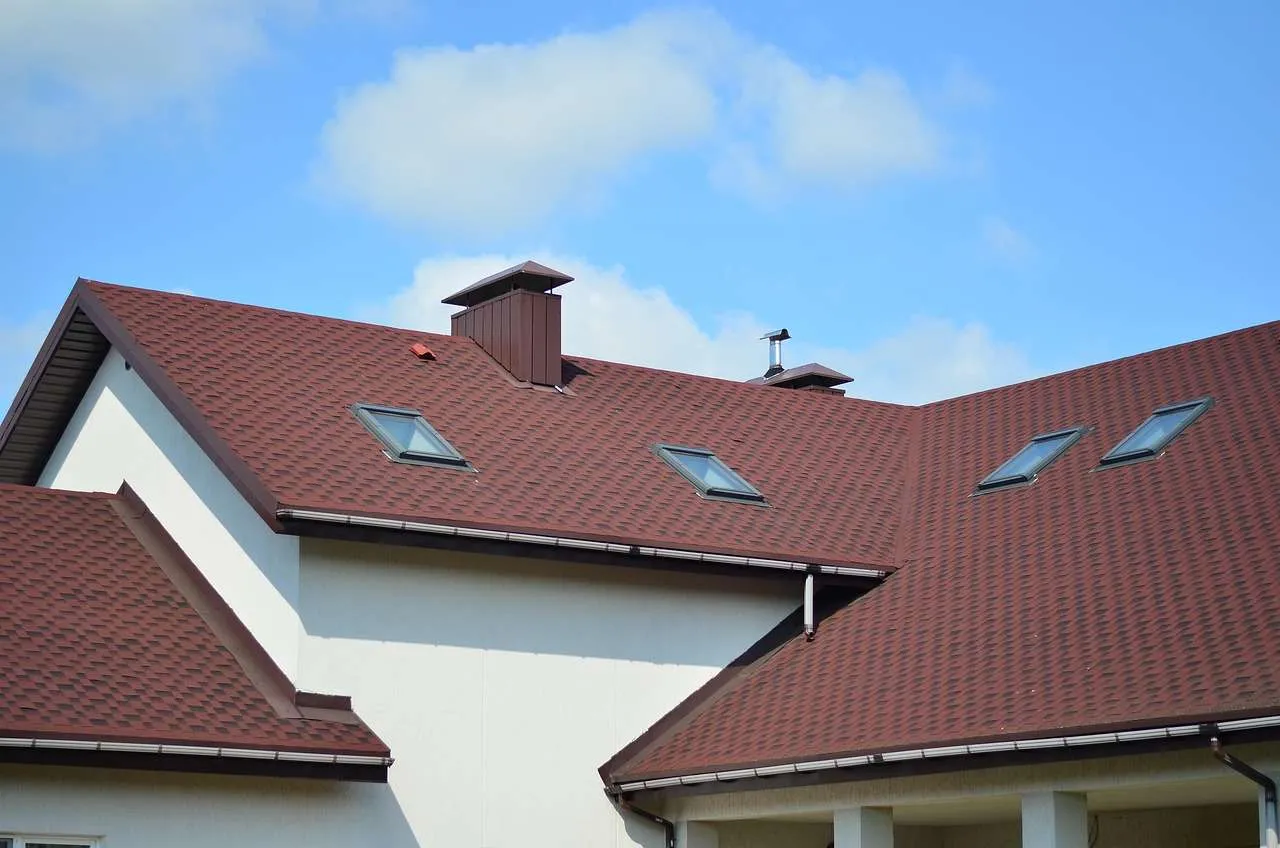
Your roof is one of the most critical components of your home. Proper roofing and timely roof repairs protect your family, energy bills, and asset value. This guide covers signs you may need repairs, how to decide between repair and replacement, how to choose a contractor, maintenance steps, and what to expect when working with professionals. With the right approach, you can extend roof life and avoid costly damage.
What is Roofing and Why Roof Repairs Matter
Roofing is the system of materials and components that shield your home from weather. Regular roof repairs help prevent leaks, improve energy efficiency, and preserve the long-term value of your property. Addressing issues early reduces the risk of structural damage and costly emergency fixes. For homeowners, this translates to safer living spaces and predictable maintenance budgets.
Common Roofing Issues
Roofs show wear in several predictable ways. Understanding common problems helps you act quickly and avoid escalating damage.
Leaks and Water Intrusion
Signs include stained ceilings, damp attic spaces, and musty odors. Leaks often originate at damaged shingles, flashing, or joints where seals have degraded. A timely repair can prevent rot and mold in the attic and ceiling areas.
Damaged Shingles and Flashing
Cracked, curled, or missing shingles expose the underlayment to moisture. Damaged flashing around chimneys, vents, and skylights is a frequent source of leaks. Replacing damaged shingles and resealing flashing are common roof repairs.
Ventilation and Sheathing Issues
Poor attic ventilation leads to heat buildup and moisture problems, accelerating wear on the roof deck. A compromised sheathing can compromise structural integrity and insulation performance, increasing energy costs.
Repair vs Replacement: How to Decide
Choosing between a repair and a full replacement depends on age, extent of damage, cost, and warranties. If most of the roof is nearing the end of its expected life, replacement may be more cost-effective in the long run. Conversely, localized leaks or minor damage can often be repaired without a full tear-off.
Lifespan of Common Roofing Materials
Understanding material lifespans helps you plan future repairs or replacement: Asphalt shingles: 15-30 years; Metal: 40-70 years; Clay/Concrete tile: 50-100 years; Wood shingles/shakes: 20-40 years. If your roof is approaching the end of its lifespan, consider replacement to avoid repeated repairs.
Choosing a Roofing Contractor
Picking a qualified professional is essential for long-term performance and safety. Look for:
- Licensed and insured contractors with active state or local credentials.
- Manufacturer certifications (e.g., GAF Master Elite, IKO Certified, or CertainTeed认证) that ensure product-specific installation standards.
- Written estimates, detailed scope of work, and clearly stated warranties.
- References and a portfolio of completed local projects.
- On-site inspections to assess roof age, deck integrity, and ventilation needs.
Experience and trust are crucial. NRCA membership or other reputable trade associations can be indicators of commitment to industry best practices. Always verify licenses, insurance coverage, and any liens or disputes before signing a contract.
Maintenance Tips to Extend Roof Life
Regular maintenance is the best defense against expensive repairs. Use this checklist to keep your roof performing well:
- Schedule annual or biennial roof inspections, especially after severe weather.
- Clean gutters and downspouts to ensure proper drainage and prevent water backing up onto the roof edge.
- Trim overhanging branches to prevent physical damage and debris accumulation.
- Inspect attic insulation and ventilation to reduce condensation that can lead to rot.
- Remove debris, moss, and algae growth; treat moss-prone areas to prevent shingle lifting.
Material Spotlight: Quick Comparison
| Material | Typical Lifespan | Common Repairs | Notes |
|---|---|---|---|
| Asphalt shingles | 15-30 years | Shingle replacement, flashing sealant | Most common and cost-effective |
| Metal | 40-70 years | Panel replacement, sealant checks | Durable, fire-resistant, lighter in some cases |
| Clay/Concrete tile | 50-100+ years | Tile replacement, underlayment checks | Heavy; requires strong structure |
| Wood shingles/shakes | 20-40 years | Shingle replacement, treatment for rot | Aesthetically appealing but higher maintenance |
What to Expect During a Roof Repair Project
From the first inspection to project completion, professional roof repairs follow a predictable workflow. A contractor will typically perform a thorough inspection, identify the source of damage, provide a written estimate, and outline a scope of work. If required, permits are obtained and material orders placed. On the day of repair, crews protect landscaping, remove damaged materials, repair or replace affected components, reseal transitions, and conduct a final walkthrough with you. A warranty or guarantee should accompany the work, giving you recourse if issues recur.
Safety is paramount. Do not attempt dangerous tasks on a sloped or high roof. Trained roofers have the proper fall protection, ladders, harnesses, and equipment to minimize risk for your home and family.
Conclusion
Conclusion, investing in professional roofing and timely roof repairs safeguards your home’s structure, comfort, and value. Regular maintenance, careful selection of a licensed contractor, and a clear plan for repair versus replacement help you optimize costs and outcomes. By understanding common issues, recognizing when to act, and working with trusted pros, you can extend your roof’s life and sleep better at night knowing your home is protected.