Choosing bathroom tiles is both a design statement and a practical decision. A well chosen tile set can transform a small bathroom into a calm retreat while standing up to moisture and daily wear. This guide draws on years of field experience and product data to help you select and care for bathroom tiles that last.
Key considerations for bathroom tiles
In moisture-rich bathrooms, tile performance matters as much as style. Look for water resistance, slip resistance for floors, and easy maintenance. A solid substrate, proper waterproofing, and quality grouts are essential to long-term durability.
Moisture resistance and tile types
Water exposure varies by location. For walls, glazed ceramic or porcelain tiles offer excellent water resistance and low maintenance. For floors, porcelain and certain ceramic tiles with textured surfaces provide better slip resistance and durability. Natural stone offers luxury but usually requires sealing and more maintenance to protect against moisture and staining.
Material options
Ceramic tiles
Ceramic tiles are affordable, widely available, and come in endless colors and patterns. They are glazed to resist moisture and are ideal for walls and light-traffic floors. For bathroom floors, choose a slip-resistant finish (look for COF ratings) and a durable glaze to resist daily cleaning chores.
Porcelain tiles
Porcelain tiles are a denser form of ceramic with lower water absorption. They excel on floors and in wet areas like showers due to their strength and stability, and they come in large formats that reduce grout lines and create a seamless look.
Natural stone tiles
Stone such as marble, travertine, or slate adds luxury but requires sealing, ongoing maintenance, and careful cleaning to prevent staining and etching. Stone is best if you are prepared for regular upkeep and protectants against moisture.
Glass tiles
Glass tiles create bright, reflective surfaces and work well as backsplashes, accent bands, or shower niches. They are striking but can be slippery when used on floors and may require more meticulous cleaning to prevent soap scum buildup.
Other options
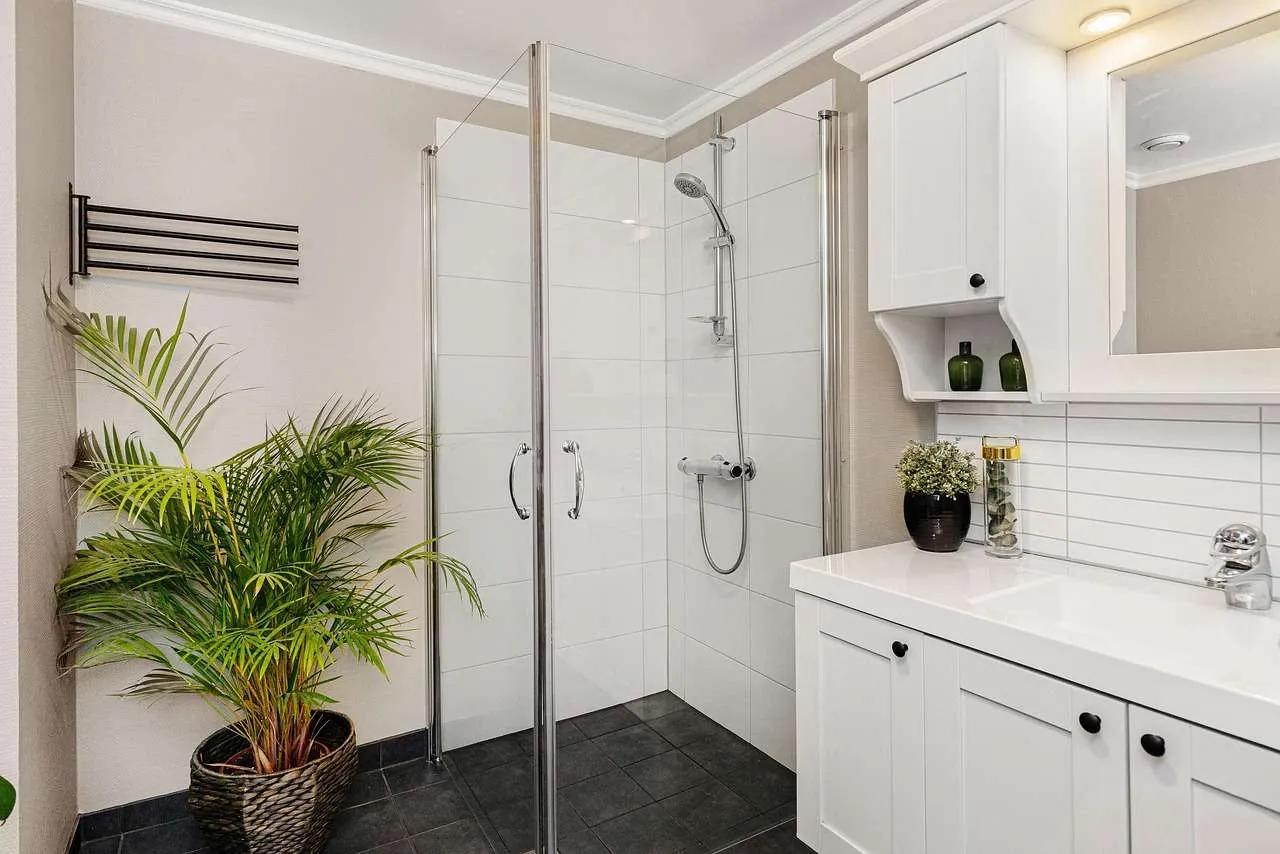
Large-format porcelain or ceramic tiles reduce grout lines and create a sleek look, while small mosaics or pebbled textures can enhance slip resistance and tactile appeal in showers or spa-like bathrooms.
Choosing the right tile for your bathroom
- Location and usage: walls, shower surrounds, and floors have different requirements.
- Slip resistance: prioritize non-slip textures for floors (look for higher COF ratings).
- Water absorption: porcelain is typically superior to most ceramic for wet areas.
- Maintenance: natural stone needs sealing; glazed surfaces are easier to clean.
- Aesthetics: color, pattern, and tile size influence perceived space and mood.
Design ideas and layouts
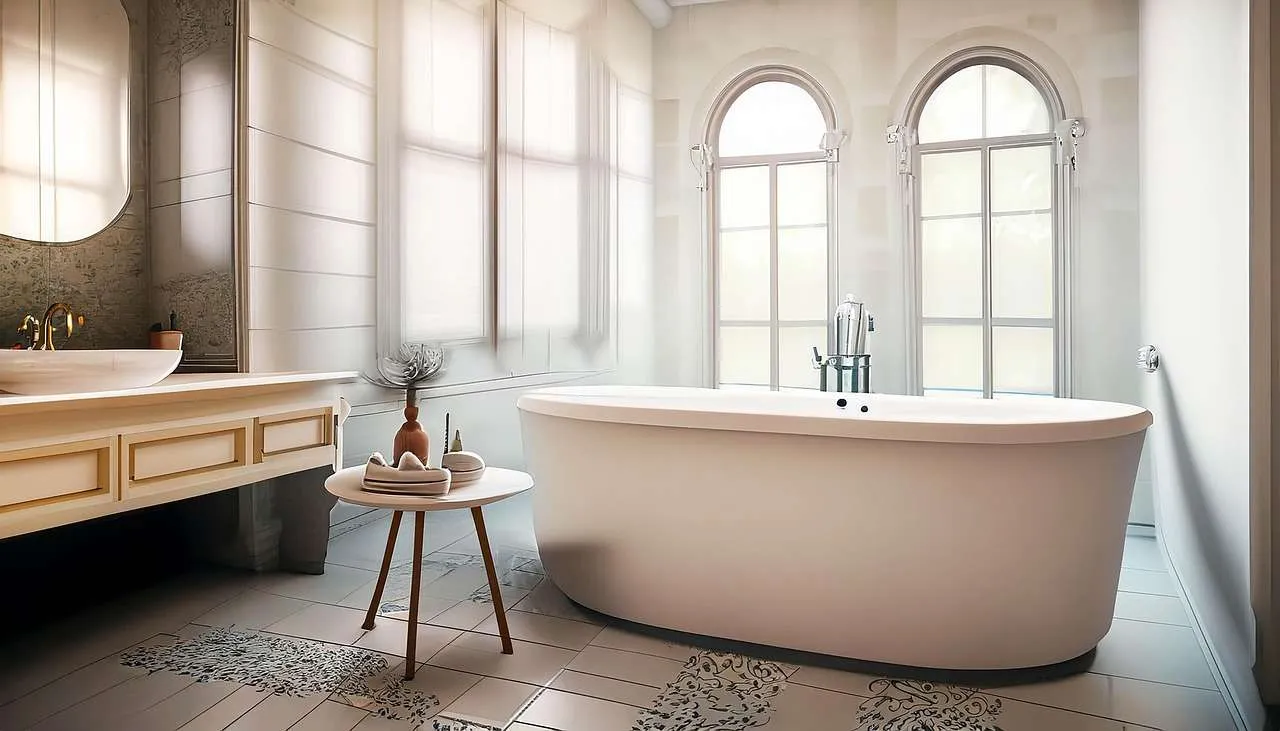
Tile size and layout dramatically influence the feel of a bathroom. Large-format tiles (12x24 inches or bigger) create a spacious look with fewer grout joints, while smaller mosaics or eight-inch tiles provide more texture and grip in wet areas. Consider these design approaches:
- Monochrome palettes for a serene, spa-like environment.
- Contrasting trim or grout colors to highlight tile shapes or patterns.
- Accent bands or a niche with a different tile to add visual interest.
- Diagonal or herringbone patterns for a dynamic focal point without overwhelming space.
Installation tips and maintenance
Professional installation ensures proper substrate prep and waterproofing. Key steps include surface flatness, appropriate mortar selection for wet areas, and durable, mold-resistant grouts. Sealing natural stone is essential, while glazed ceramic and porcelain often require simple cleaning with pH-neutral products. Regular maintenance extends tile life:
- Wipe up water and spills promptly to prevent staining and mineral buildup.
- Use a non-acidic cleaner and avoid abrasive scrubs that can scratch glaze or stone.
- Seal natural stone periodically as recommended by manufacturer.
- Inspect and reseal grout if it begins to crumble or darken in damp areas.
Tile care cost and budgeting
Expect material costs to range from economical ceramic options to premium natural stone, with porcelain often sitting in between. Labor costs depend on tile size, complexity of layout, and waterproofing needs. Budget for a waterproof membrane, proper underlayment, and quality grout and sealant to prevent costly repairs later.
Comparison of common tile types
| Tile Type | Pros | Cons | Best For | Typical Price (per sq ft) |
|---|---|---|---|---|
| Ceramic | Affordable, versatile designs | Higher water absorption than porcelain | Walls, light-traffic floors | $1–$5 |
| Porcelain | Dense, low water absorption, durable | Higher cost, limited textures | Bathrooms, showers, floors | $3–$12 |
| Natural Stone | Elegant, unique patterns | Sealing required, maintenance | Luxury bathrooms, shower surrounds | $8–$25 |
| Glass | Bright, reflective surfaces | Slippery on floors, delicate cleaning | Backsplashes, accent walls | $7–$20 |
| Large-Format Tiles | Fewer grout lines, modern look | Installation requires precision | Bathrooms with seamless walls/floors | $4–$15 |
Conclusion
Summary: Selecting bathroom tiles involves balancing moisture resistance, slip protection, maintenance, and aesthetics. Ceramic and porcelain deliver durability at accessible prices, natural stone offers timeless luxury with higher upkeep, and glass adds brightness in accent roles. Plan a solid waterproofing strategy, choose compatible substrates, and align tile size with room dimensions to minimize grout while maximizing flow. With careful selection and professional installation, bathroom tiles provide enduring beauty and practicality for years to come.